Commercial Roofing
EPDM Roofing
Understanding EPDM Roofing
Ethylene propylene diene monomer (EPDM) roofing is a popular choice for commercial and industrial properties because of its flexibility, durability, and cost-effectiveness. It is a synthetic rubber membrane that is composed of ethylene, propylene, and a small amount of diene monomer, a combination that results in a highly durable and weather resistant material that is ideal for low-slope and flat roofs.
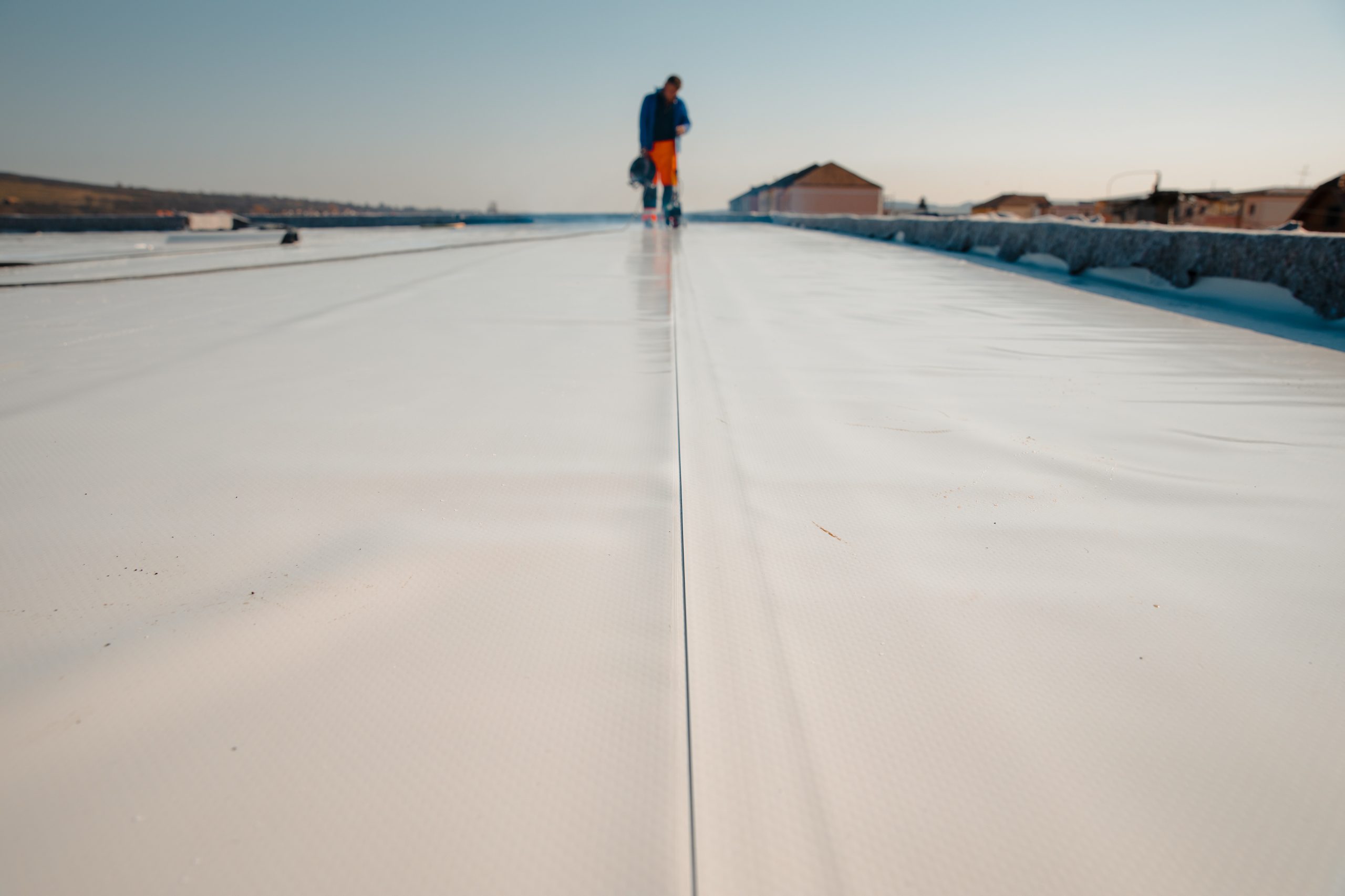
EPDM roofing is available in various widths, two different thicknesses, and both black and white colors. Of the two, black is the more common color, and though it absorbs more heat, it looks cleaner than the white membranes. EPDM roofing is applied using one of three methods – fully adhered, mechanically attached, or ballasted – and seams are sealed using a liquid adhesive or specially formulated seam tape.
Benefits of EPDM Roofing
For over 50 years, EPDM has been a popular material for commercial roofing systems. It’s time-tested performance has proven it to be:
- Easy to Install: EPDM roofing is lightweight and, for experienced roofing contractors like Woodruff Roofing & Exteriors, easy to install. This means faster installation times and lower labor costs.
- Cost-effective: Compared to some other types of roofing materials, EPDM is relatively affordable, making it a cost-effective option for commercial and industrial properties.
- Durable: EPDM roofing is known for its longevity and durability. It can tolerate a variety of harsh weather conditions, including extreme heat, hail, and high winds, and is resistant to the effects of weathering and abrasion. It can also hold up against fire, UV radiation, ozone exposure, and many types of chemicals.
- Flexible: Due to its rubber-like properties, EPDM retains its flexibility throughout drastic temperature changes, making it resistant to cracking and tearing.
- Energy Efficient: Black EPDM membranes absorb sun’s rays and can reduce heating costs during colder months. The reflective surface of white membranes help lower heat absorption and lower cooling costs during warmer months.
- Low Maintenance: Once it’s installed, EPDM roofing doesn’t require extensive maintenance. Regular inspections and cleaning are typically enough to maintain the condition of the roof. If damage does occur, adhesive patches or seam tapes are usually all that’s necessary to quickly repair and restore EPDM roofs.
Tips for Maintaining Your EPDM Roofing
- Conduct regular inspections to check for any signs of wear, damage, or leaks.
- Promptly repair any leaks or damage to prevent further deterioration.
- Keep the surface of your roof clean and free of leaves, branches, and other debris to prevent tears, standing water, and clogged gutters.
- Avoid walking on the roof as much as possible to minimize the risk of damage.
Professional EPDM Roofing Installation by
Woodruff Roofing & Exteriors
Whether you are constructing a new commercial building or replacing the roof on an existing one, Woodruff Roofing & Exteriors can install your EPDM roofing in no time. The installation process involves:
- Surface Preparation: Any existing coverings are completely removed, then we clean and inspect the surface of the roof. All damage or imperfections are repaired and resolved.
- Membrane Installation: The roof area is measured and marked, then EPDM sheets are laid out on the surface and secured using adhesive or mechanical fasteners.
- Seam Sealing All the seams between EPDM sheets are sealed using specialized seam tape or liquid adhesive to ensure a watertight seal.
- Flashing Installation: We install flashing around roof penetrations, such as HVAC systems or vents, to prevent water infiltration.
- Final Inspection: We will do a thorough inspection of your installed EPDM roofing system to ensure that all work has been completed according to our high standards and quality specifications.
Contact us today to determine if EPDM roofing is right for your
commercial or industrial property.